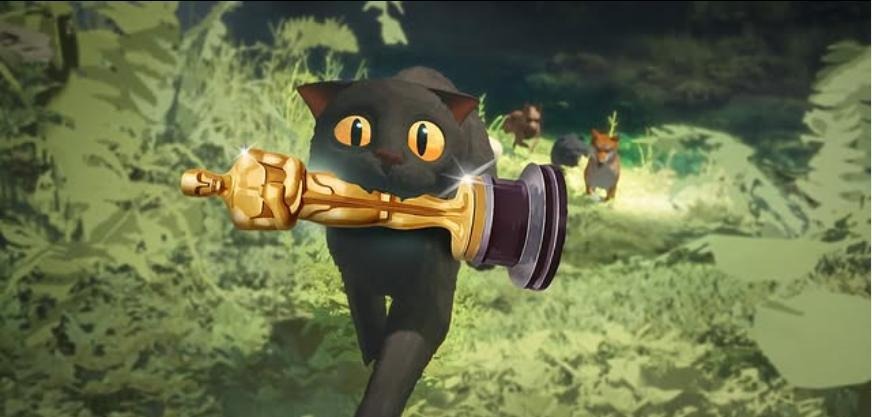
Flow (2024), directed by Gints Zilbalodis—an animator, filmmaker, director, and composer from Latvia—won the Best International Feature Film. In its win, the wordless animated film beats major known contenders like DreamWorks, Pixar, and Aardman for the Best Animated Feature prize. By awarding a less globally popular cinema, the Oscars brought attention to this animated movie that does not rely on the typical, straightforward storytelling generally associated with American animation.
The film has no dialogue, no human language, and no words at all. Following the story about diverse creatures interflow together in order to live, the only sounds there are the natural and accurate vocalizations of the animals: the cat meows, the bird chirps, the lemur purrs, the dog barks, the capybara wheeks, and the natural environmental sounds: the boats creak, wind gushes, and waves crash. Flow relies on movements, sounds, glances, as well as body and visual language as the primary method of storytelling.
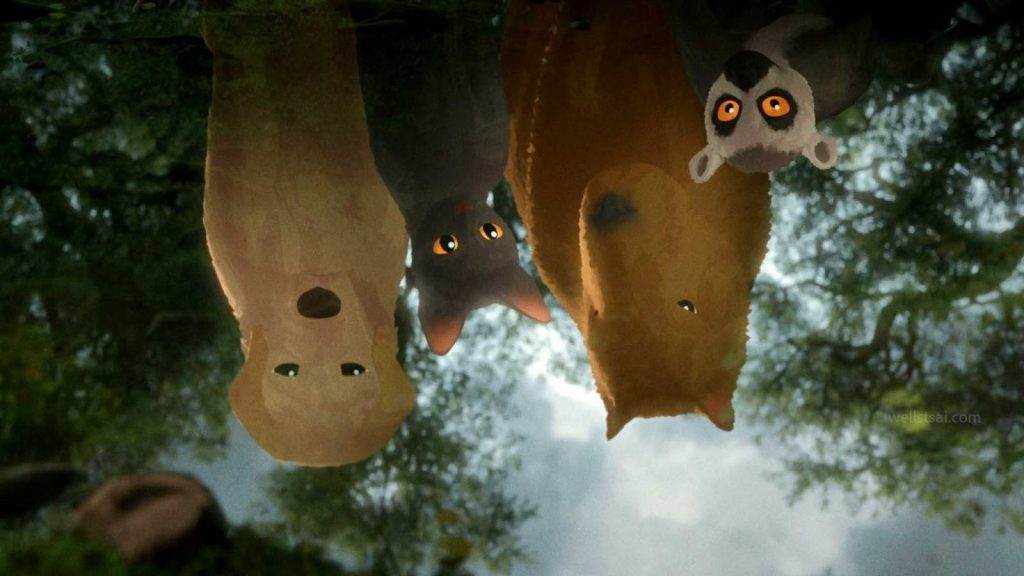
In terms of visuals, Flow is animated in a way that differs from our usual expectations. The animation style is reminiscent of a stylistic watercolor painting—the movements flow smoothly and beautifully from one scene to another. It is animated in three dimensions, with the shots resembling shaky handheld footage. Each scene is visually pleasing and soothing with huge amounts of detail. In most animated films with animal characters, the animals act as human personification, as if they are people in animal form. Meanwhile, the animation in Flow is tuned to genuine animal behavior and emotion; every subtle movement reflects the animal itself rather than serving as an easy metaphor for human traits. Every animal in the film mirrors its real-world counterpart in proportion, design, expression, and movement, along with finely crafted environmental details, such as lighting that elevate the animated journey as a whole.
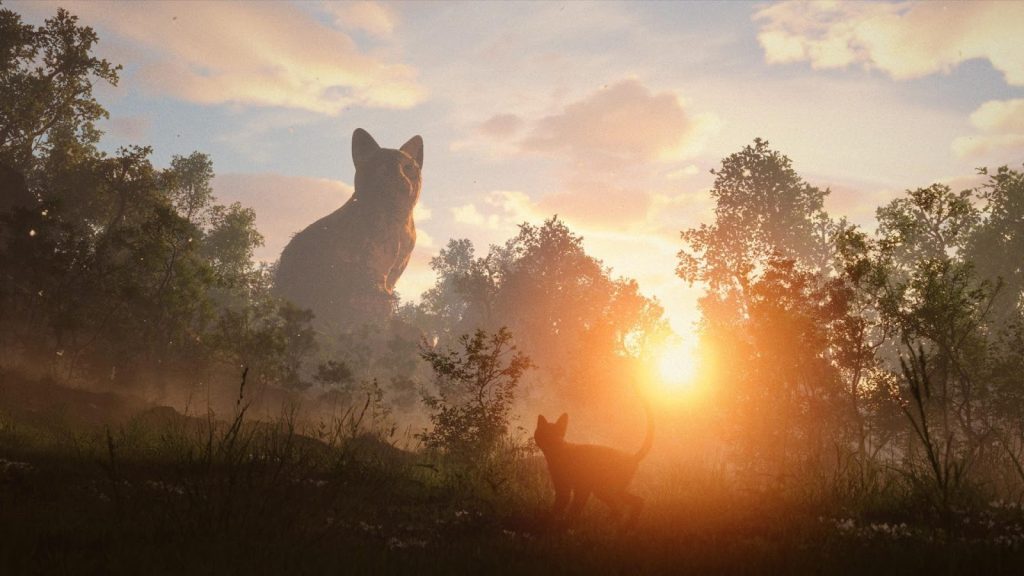
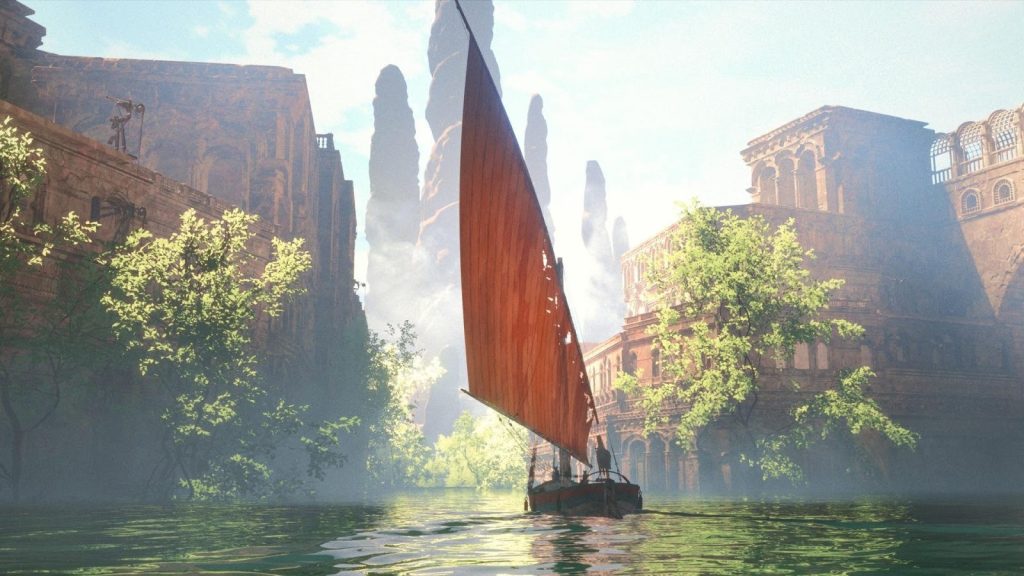
While watching the film, Flow will keep the viewer guessing about many of its aspects. It is set in an unspecified part of the Earth (or whatever planet it takes place on), in a time period that is not made clear (could be the past, present, or the future), with no humans to be seen. From the abandoned monuments and ruins, the viewers theorized that the film takes place in a post-apocalyptic world, where the only creatures left are animals in their natural habitats, and where humans have gone extinct, leaving their creations behind.
What is the film actually about? (spoiler alert!)
In a world with no humans, what would happen when a biblical flood occurs?
We follow the journey of a nameless black cat. The film begins with the cat alone in a forest, looking at its reflection in the river as it tries to catch fish for food.
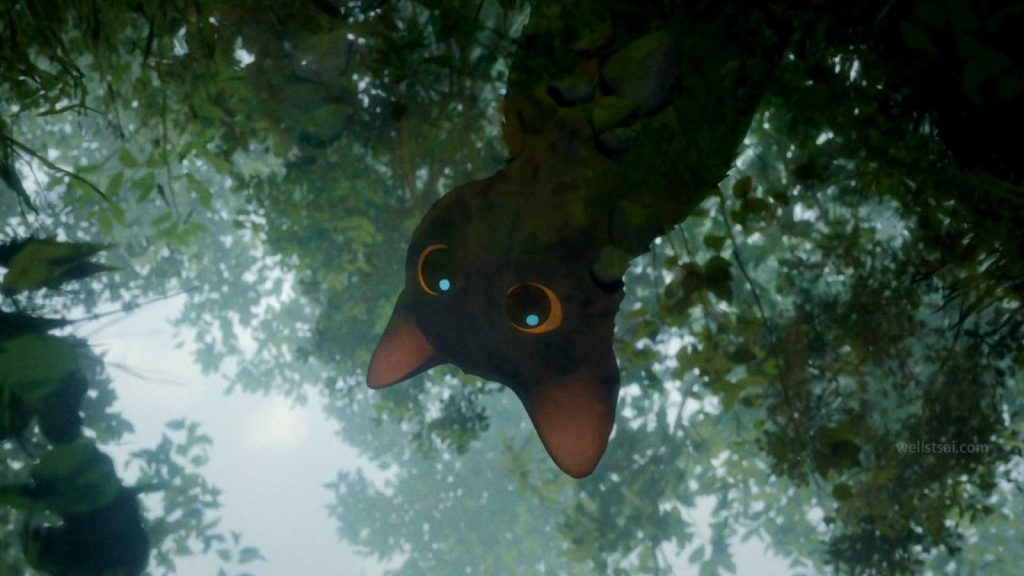
The cat notices a fish that got away from a pack of dogs that were also catching fish. The fish flops in the grass and the cat manages to snatch it before the dogs notice. This triggers a wild chase through the forest, with the cat running for its life and losing the fish—probably its only meal in days—in the process. It then hides in the bushes when suddenly the dogs turn and run the other way as in retreating from something they fear, followed by a herd of deer frantically rushing out of the forest. Confused and scared while trying to dodge the herd of deer’s hooves, the cat quickly realizes that a much bigger threat is coming. Right after, water bursts forth in large amounts, flooding the forest and rapidly submerging everything it comes into contact with.
What happens after the flood occurs? There was no Noah’s ark to save the creatures, no divine intervention to set things right.
Like clockwork, the whole forest quickly disappeared, drowned by the floodwaters with no mercy. Panicking, the black cat keeps reaching for higher ground, trying to protect itself from the rising water. It sad meows, along with the rising floodwaters almost reaching the cat’s ears and nearly drowning it, keep the viewer on edge by leading them to believe the cat will not survive. Then suddenly, a small sailboat flows by, slowly but surely, into the cat’s direction. The cat quickly jumps onto the boat, only to find that there was already an occupant: another animal, one the cat has probably never seen before. The initial passenger, a capybara, remains still and unbothered even as the cat joins it in the boat.
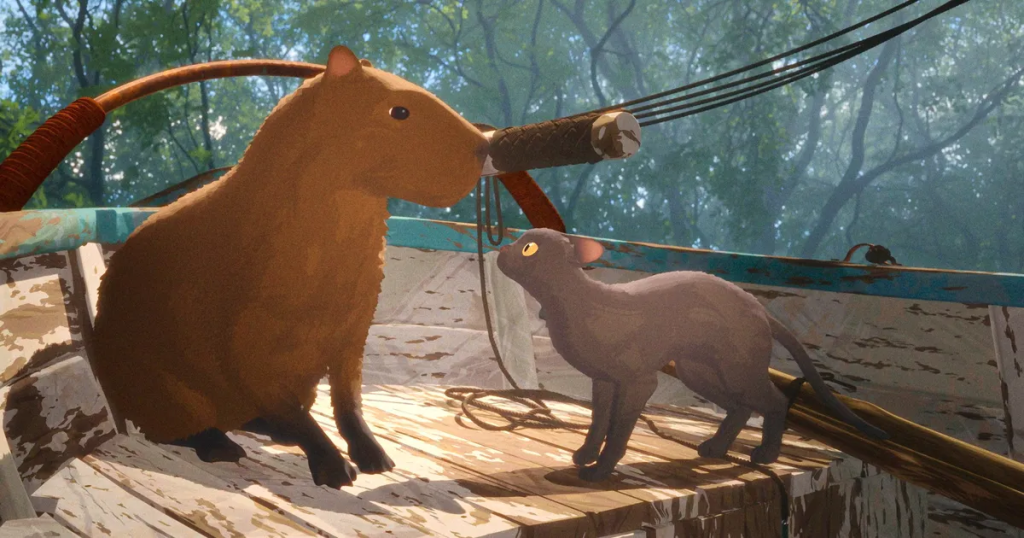
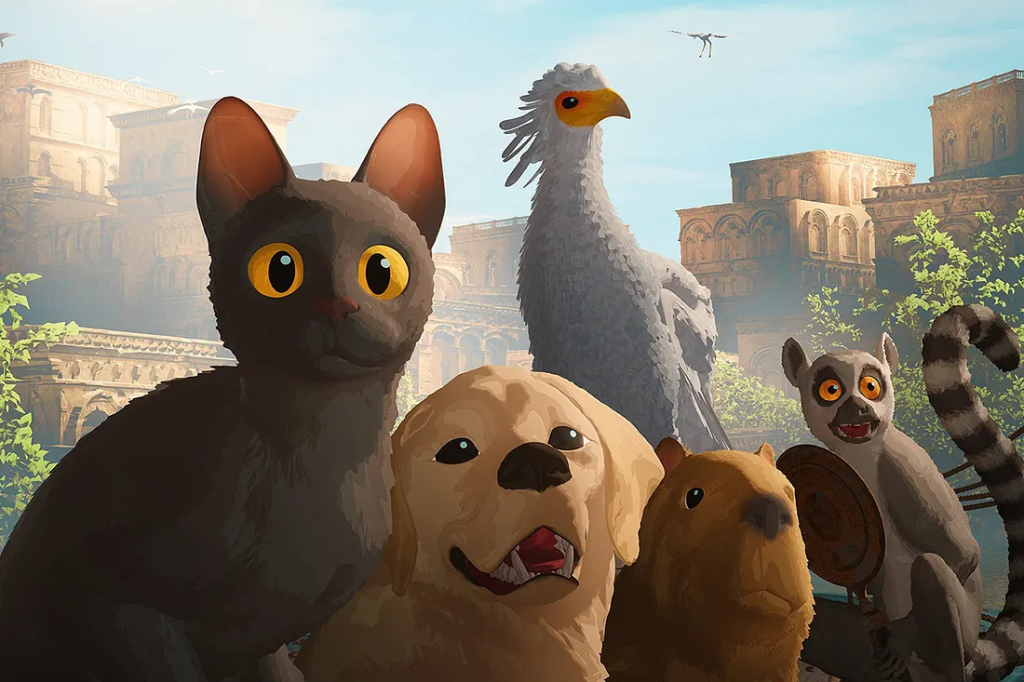
For a while, the occupants of the sailboat were only the two animals, the black cat and the unfazed capybara. As the film goes by, more and more animals keep joining the crew—a kleptomaniac lemur, a motherly secretarybird, and a joyful golden retriever. As the water levels rise and fall, these animals remain on the sailboat to stay safe from the hazardous floodwaters, uncertain of their destination. Their primary focus is survival, yet they are also intrigued—and somewhat scared—by the sight of a deserted, recently flooded city. In order to survive the unavoidable natural disaster, the critters knew they needed each other. They set aside their natural aggression, instincts, and habitats to help and protect one another (and themselves). These unlikely animals drift together, adapting and learning to cooperate as they go. They manage to survive side by side despite being very different creatures because each one relies on the others and provides protection in return.
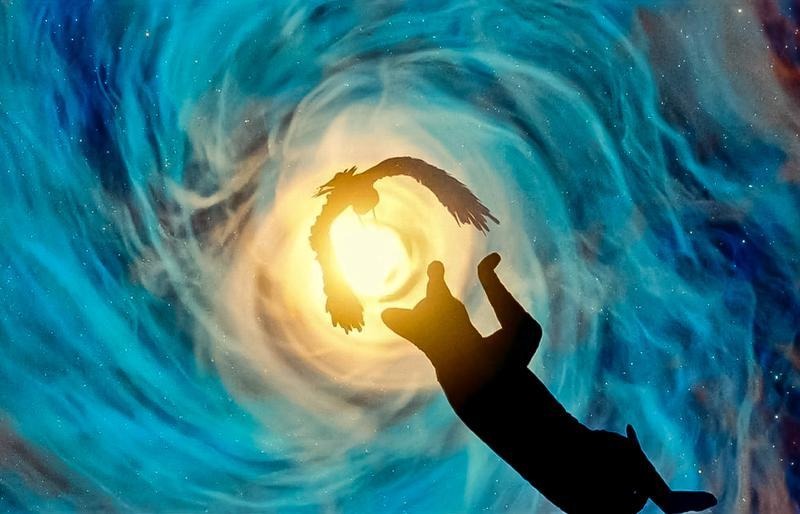
Aside from the post-apocalyptic world, the entire film takes place in a potentially realistic setting where events could happen, except the scene when the white secretarybird floats slowly into the sky as the surroundings spiral; the sky shimmers with an otherworldly glow, looking like a mix of space and underwater. The swirls create a vortex that leads to a bright, sun-like center in the sky. The bird glides upward to meet it, symbolizing its death. As viewers, we both experience and understand—just like the black cat—that the bird has crossed to the other side.
In its final shot, Flow ends with all the creatures (minus the secretarybird) looking at their reflection in a puddle of water. This scene parallels the film’s opening, wrapping it up nicely and gently. This is the first moment they truly appear as a unified group rather than a collection of creatures thrown together by chance. Gints Zilbalodis has noted that the scene speaks to both the cat’s progress in overcoming its fear of water and the lingering anxieties that remain, a tension mirrored in the puddle’s surface—a subtle metaphor for the fragile, altered world left behind by the flood. As the waters recede, the cat now gazes not only at its own reflection, but also at the faces of those who have become its found family. The moment is quiet but profound: the cat is less fearful and more open, recognizing that survival is not merely about enduring catastrophe but about who stands beside you when the world changes. Yet the reflection also raises a larger, unsettling question: are they staring into a stable future, or into one that resembles their world but has been permanently changed?
References
https://www.rendyreviews.com/movie-reviews/flow-review
https://decider.com/2025/01/08/flow-streaming-movie-review-stream-it-or-skip-it
https://decider.com/2025/03/03/flow-ending-explained
https://www.filmaffinity.com/us/filmimagesnojs.php?movie_id=989516
